Home › Common Problems › Pier & Beam Foundation Failure
Pier & Beam Foundation Failure
in Kansas City, MO
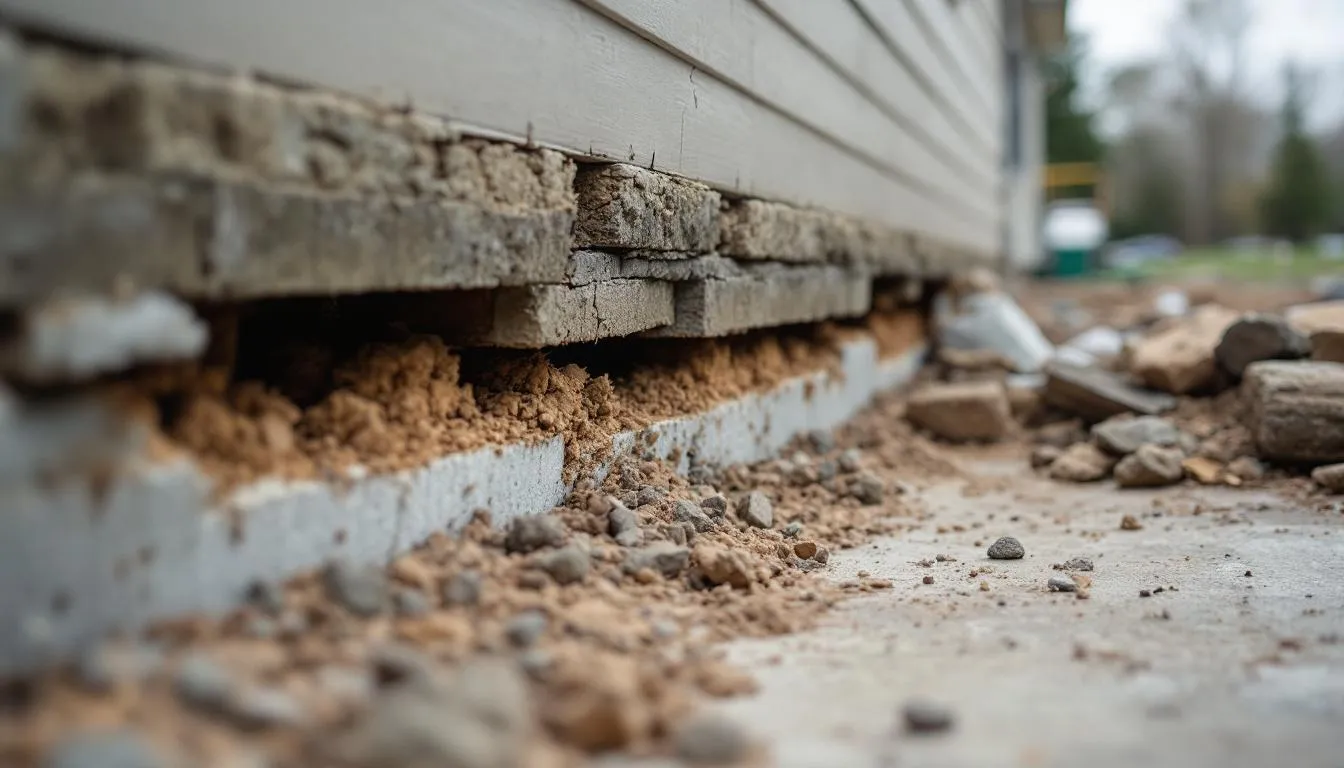
Pier and beam foundations were the most common building method for Kansas City homes built before the 1950s. Older neighborhoods like Waldo, Brookside, Westport, and the Northeast area have many of these homes. Kansas City's humid summers, freeze-thaw cycles, and clay soil cause the wood to rot and the piers to crack and shift. If you leave it alone, the floor system can collapse and the walls above become unstable.
Kansas City Foundation Repair Pros helps Kansas City, MO homeowners fix pier & beam foundation failure — call for a free inspection.
Quick Answer
Pier and beam homes in neighborhoods like Waldo and Brookside take a beating from Kansas City's wet summers and hard freezes. The wood rots and old concrete piers crack over time. New piers get put in and damaged wood gets replaced to hold the floor system up again. Call for an inspection if your floors feel soft or bouncy.
Telltale Signs
Warning Signs to Watch For
- Noticeably bouncy, soft, or sagging floors that flex when you walk across them
- Visible gaps between the floor and interior walls or baseboards pulling away
- Crawl space access reveals cracked, tilted, or missing piers
- Wooden beams in the crawl space show dark staining, soft spots, or crumbling wood
- Strong musty or mildew odor rising through the floor from the crawl space
- Doors and windows in the center of the home sticking while perimeter ones operate normally
Root Causes
What Causes Pier & Beam Foundation Failure?
Wood Beam Rot and Decay
Kansas City's average summer humidity regularly exceeds 70 percent. Crawl spaces under pier and beam homes trap that wet air with nowhere to go. A joist is the horizontal wood member that holds up your floor. When joists stay damp for years, fungal decay sets in and the wood softens until it can no longer hold the weight above.
The Fix
Crawl Space Beam Sistering and Encapsulation
New pressure-treated lumber is fastened alongside the rotted beams to restore their strength. Then a heavy-gauge vapor barrier is installed in the crawl space and ventilation is improved to keep moisture out of Kansas City crawl spaces going forward.
Masonry Pier Cracking or Shifting
Original masonry piers in older Kansas City homes were often built with soft brick or unreinforced concrete block. Those materials absorb water and crack under Missouri's repeated freeze-thaw cycles each winter. The clay soil around the base also swells and shrinks seasonally, which tips the piers out of alignment over time.
The Fix
Concrete Pier Replacement or Underpinning
Failed masonry piers are replaced with new poured concrete or steel-jacketed piers set to a stable depth. The new piers sit deep enough that surface-level soil movement cannot affect them.
Beam Span Settlement on Clay
During dry Kansas City summers, clay soil shrinks and individual piers drop at different rates. A beam is the horizontal wood member that spans between piers and carries your floor. When piers drop unevenly, the beams rack and pull apart, which is why floors in older pier and beam homes slope and bounce.
The Fix
Adjustable Steel Pier Shimming and Leveling
Adjustable steel posts are installed between the existing beams and a new concrete pad on the ground. The beam height can be set precisely and adjusted later if the ground shifts again.
Self-Diagnosis
Which Cause Applies to You?
Check the signs you're observing to narrow down the likely root cause before your inspection.
| What You're Seeing | Wood Beam Rot and Decay | Masonry Pier Cracking or Shifting | Beam Span Settlement on Clay |
|---|---|---|---|
| Crawl space inspection reveals visibly soft, dark, or crumbling wooden beam surfaces | |||
| Individual piers are visibly tilted, cracked through their body, or missing entirely | |||
| Floors slope in different directions in different rooms rather than uniformly one way | |||
| Strong mildew odor in crawl space with evidence of standing water or condensation | |||
| Pier blocks intact but beams have pulled away from their bearing seats | |||
| Pier surfaces show spalling, flaking, or white efflorescence mineral deposits |
Free Quote
Get a free quote in Kansas City
No obligation — tell us what's going on and we'll text you back shortly.
Other Problems
Services That Fix This
Pier & Beam Foundation Failure Near You
Also Helpful